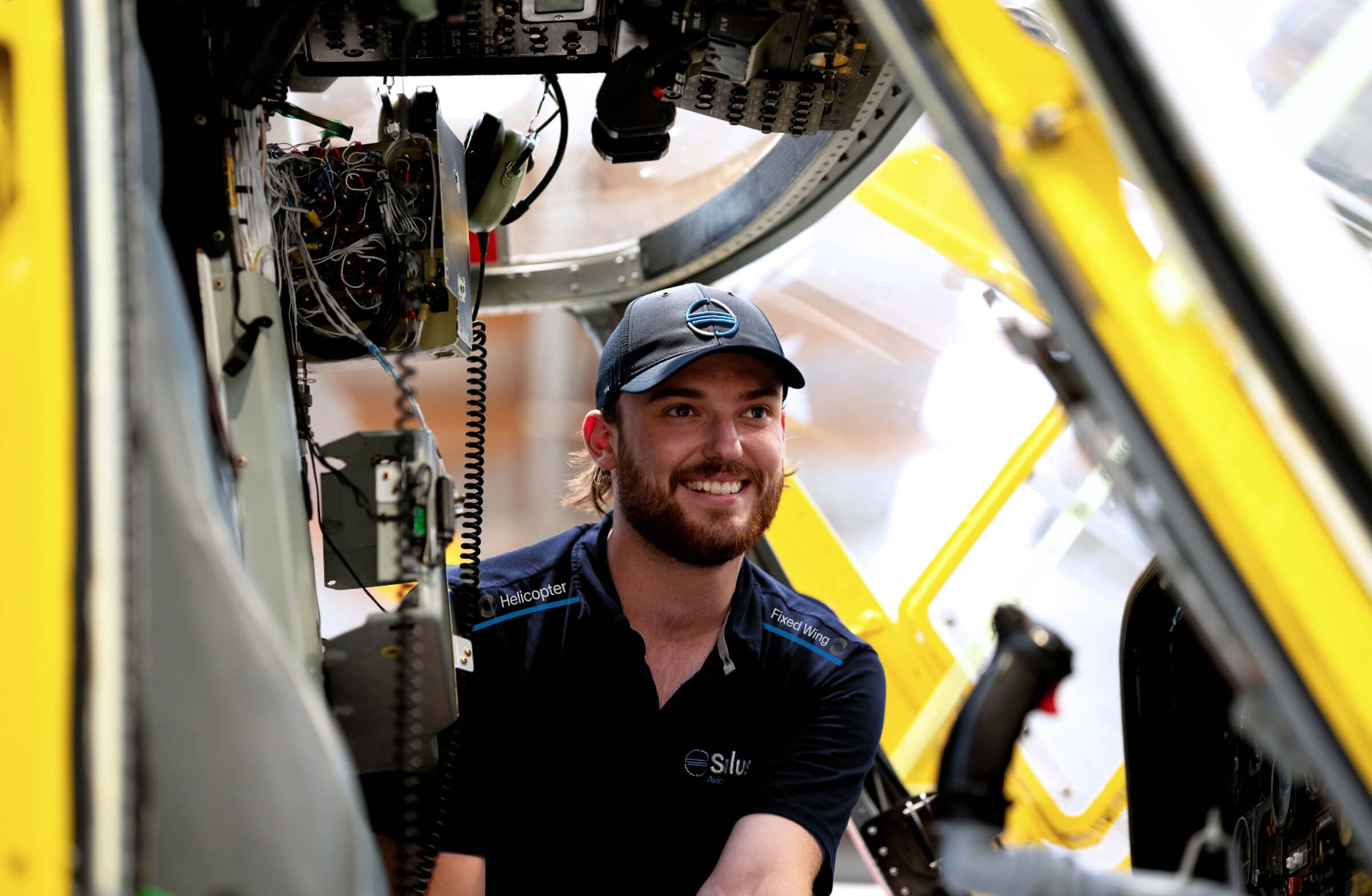
Building a Career in Aviation: Carey Pyper’s Story
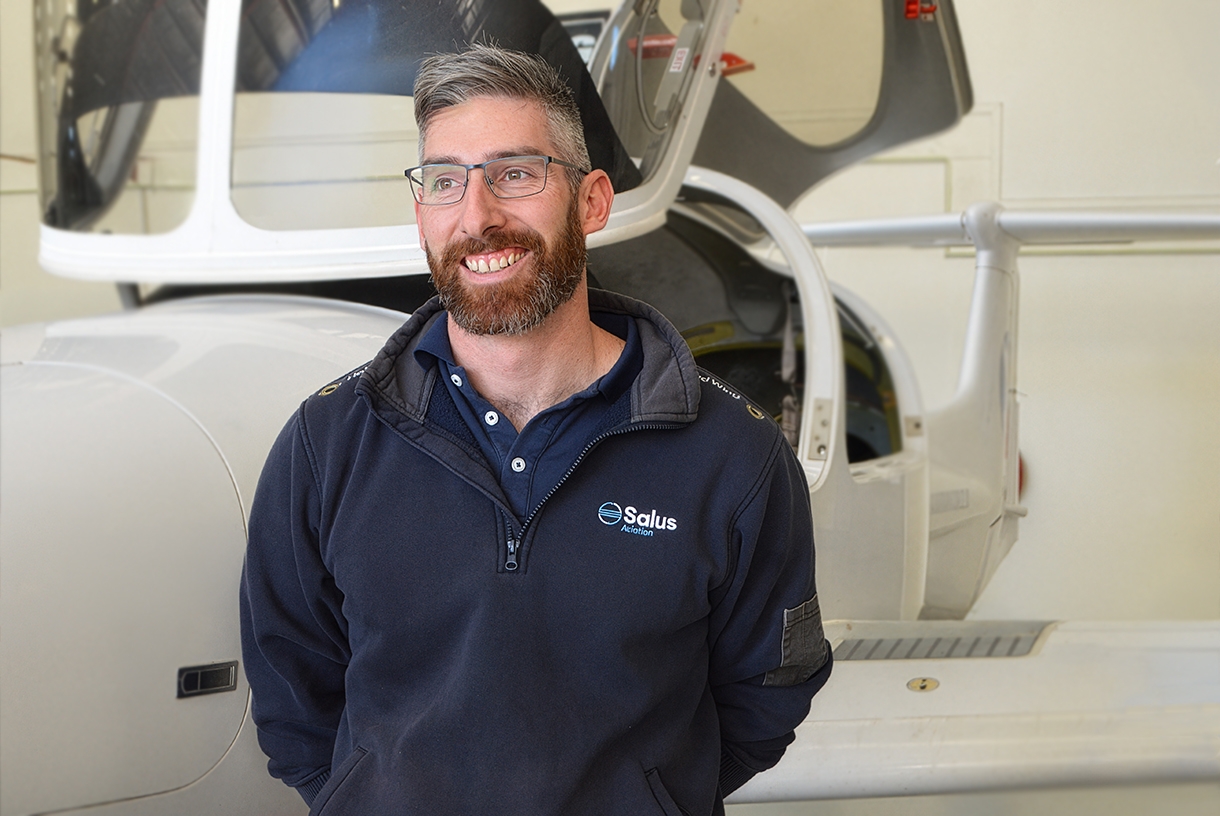
When Carey Pyper first entered the aviation industry, he was looking for a change of direction. Eight years later, he has progressed from junior engineer to Production Leader – Propellers, building a wealth of technical expertise along the way and helping drive continuous improvements within Salus Aviation’s propeller workshop.
Following a Long-Held Interest in Aviation
Carey’s interest in aircraft began at a young age, but his path into the industry wasn’t a direct one.
After leaving school, he studied landscape design and spent seven years working as a landscaper. While he enjoyed the work, aviation remained a long-term ambition, leading him to explore a career as a pilot through the Air Force.
“I attended officer selection training after applying to the Air Force, but there were more suitable candidates at the time and I was offered engineering for the next intake,” Carey explains.
While waiting for the lengthy recruitment process to progress, he took the opportunity to interview with the then Flightline.
“I was eager to get into the industry and was happy to be involved in any way possible. After the interview, I decided that was where I wanted to start my journey as an engineer.”
Growing Through the Ranks
Since joining the business, Carey has steadily advanced through a number of roles, gaining valuable experience and qualifications along the way.
“I’ve enjoyed both the work and the environment, which has seen me progress from junior engineer to certifying engineer and now to production leader.”
His professional development continues today, with Carey currently working towards becoming a Licensed Engineer with the Powerplant category. He has already completed the 10 required basic examinations and now has just an engine examination remaining.
Memorable Milestones and Unexpected Adventures
One of the career milestones that stands out most for Carey was receiving RTS (Release to Service) authorisation for propellers.
“I remember being a little nervous initially, but after completing a few, my confidence in my skills grew and that feeling faded.”
Away from the workshop, one particular training trip has become the subject of plenty of stories within the team.
In 2022, Carey travelled overseas for OEM propeller training, only to encounter a string of unexpected events. A missed connecting flight was followed by a hurricane warning shortly after arrival. The next day, hotel guests were ordered to evacuate due to flood risks, forcing a relocation inland, and Daytona Beach, where they had been staying, became heavily flooded.
The journey home proved equally eventful when his Uber driver had to swerve to avoid a vehicle on the freeway, and they lost control in the median strip.
“On the positive side, we did end up visiting the propeller OEM factory, which was a nice surprise,” he says.
Building Capability in Propeller Maintenance
Throughout his time with the business, Carey has seen the propeller team continue to evolve through process improvements and investment in equipment.
“The team has always operated efficiently and to a high standard. Most of the change has come through process improvements, and together we’ve been able to drive equipment upgrades that help keep our workshop relevant within the industry.”
Among the achievements he is most proud of is the team gaining additional specialised process approvals for MT composite blades.
“We can now apply nickel and stainless-steel leading edges in-house, rather than sending the work back to Germany. Being able to provide that service directly to our customers has been a welcome addition to our skill set.”
The Value of Experience and Safety
When asked about the biggest changes he has seen during his career, Carey points to the evolution of aviation safety culture.
“Safety culture has made the biggest impact on our work. It looks very different today compared to, say, 10 years ago.”
He has also observed improvements in propeller blade materials, with advances in material technology helping improve durability and reduce fatigue-related issues.
A Team Built on Knowledge and Collaboration
For Carey, one of the greatest strengths of the Fixed Wing team is the depth of experience shared across the workshop.
“The people here have fantastic technical experience and it’s been a great place to learn and develop my skills.”
Some team members bring more than three decades of industry knowledge, creating an environment where collaboration and continuous learning are part of everyday operations.
“When you come across a situation you’re unfamiliar with, people are always willing to lend a hand. That means solutions are found quickly.”
Advice for the Next Generation
Reflecting on his career so far, Carey believes maintaining perspective is important.
“Don’t always take things too seriously. Being able to laugh about things takes away the stress.”
For new engineers entering the industry, his advice is simple:
“Don’t be afraid to ask questions. People are always willing to share their experience, and staying curious helps you grow.”
Nearing eight years and counting with the business, Carey’s journey demonstrates how curiosity, perseverance and a willingness to learn can create opportunities for growth, while helping build the expertise that keeps customers flying safely and reliably.
Share
More news
A Wealth of Experience: Yuri’s Journey in Turbine Overhaul
Unexpected Opportunities That Shaped an Aviation Career
Finding Her Place in Aviation: Freda’s Journey to the Salus Aviation Avionics Team
Warbird Restoration to Modern Projects: An Aviation Journey
From “Why Not?” to a Career That Took Off: Miri’s Story
A Career Shaped by Responsibility and Precision
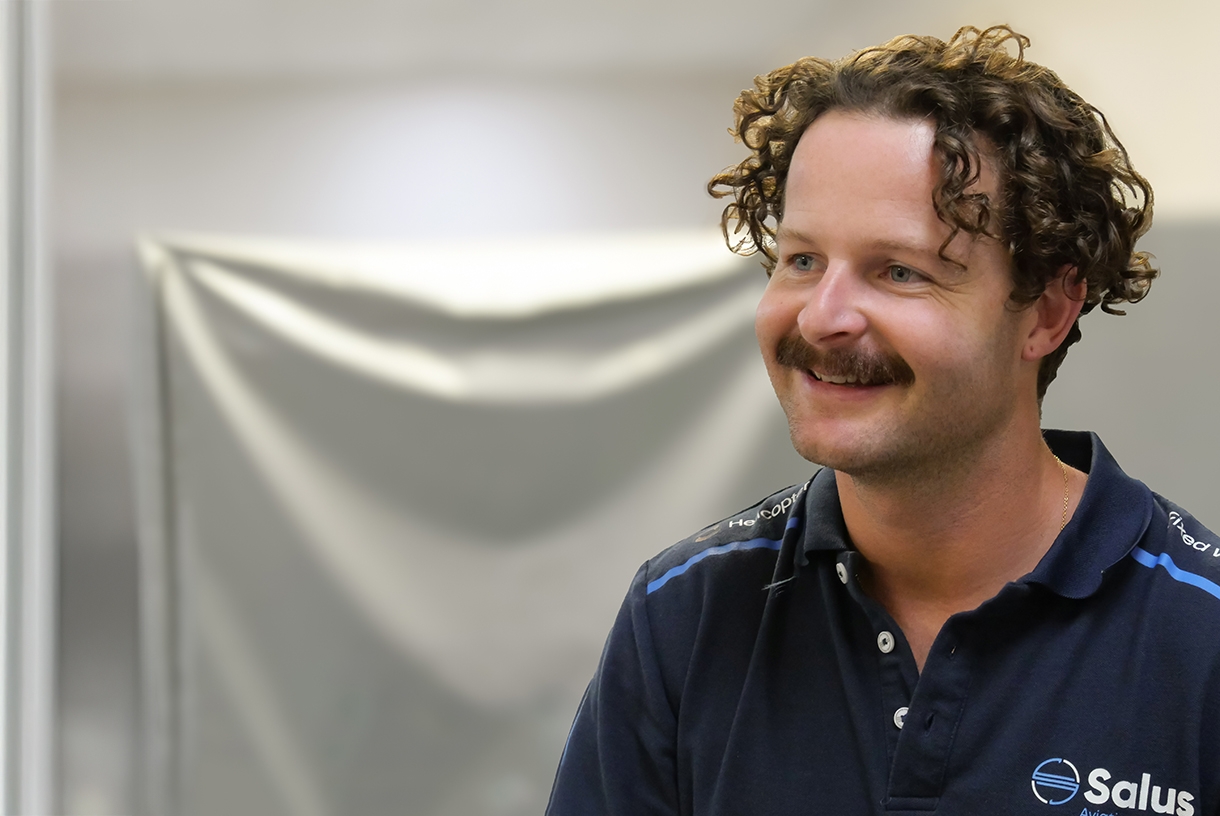
Learning, Leading, and Letting Knowledge Live On
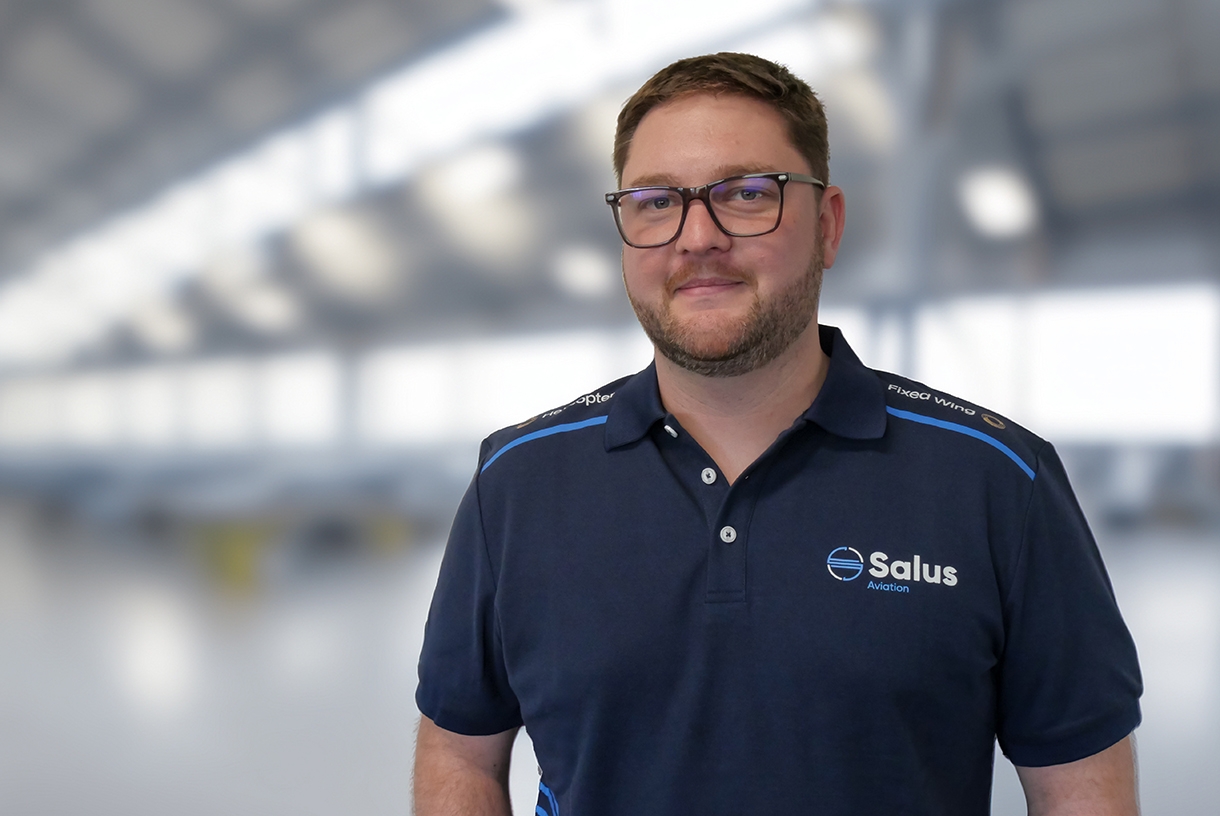
Airwork Africa appoints Executive General Manager
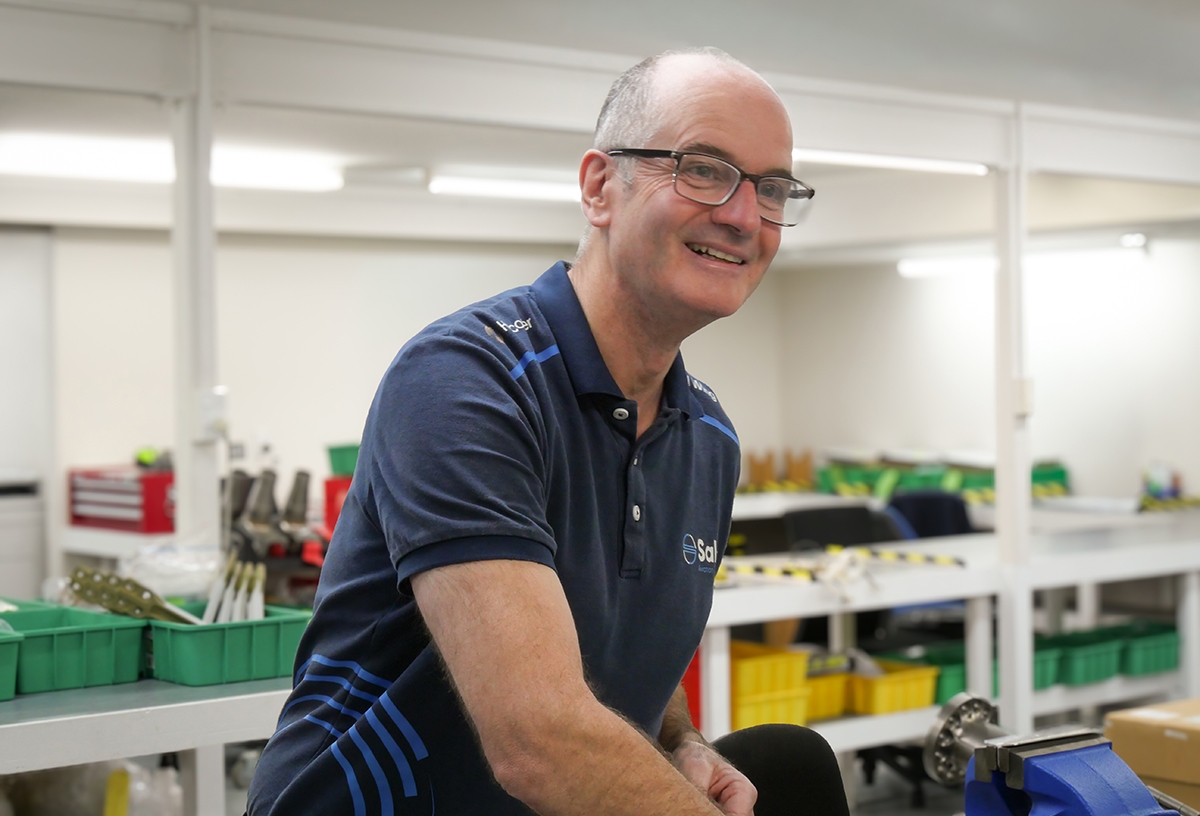
A Lifetime in Motion: Ivan Mudrovcich on Nearly Two Decades with Salus Aviation’s Dynamic Components Team
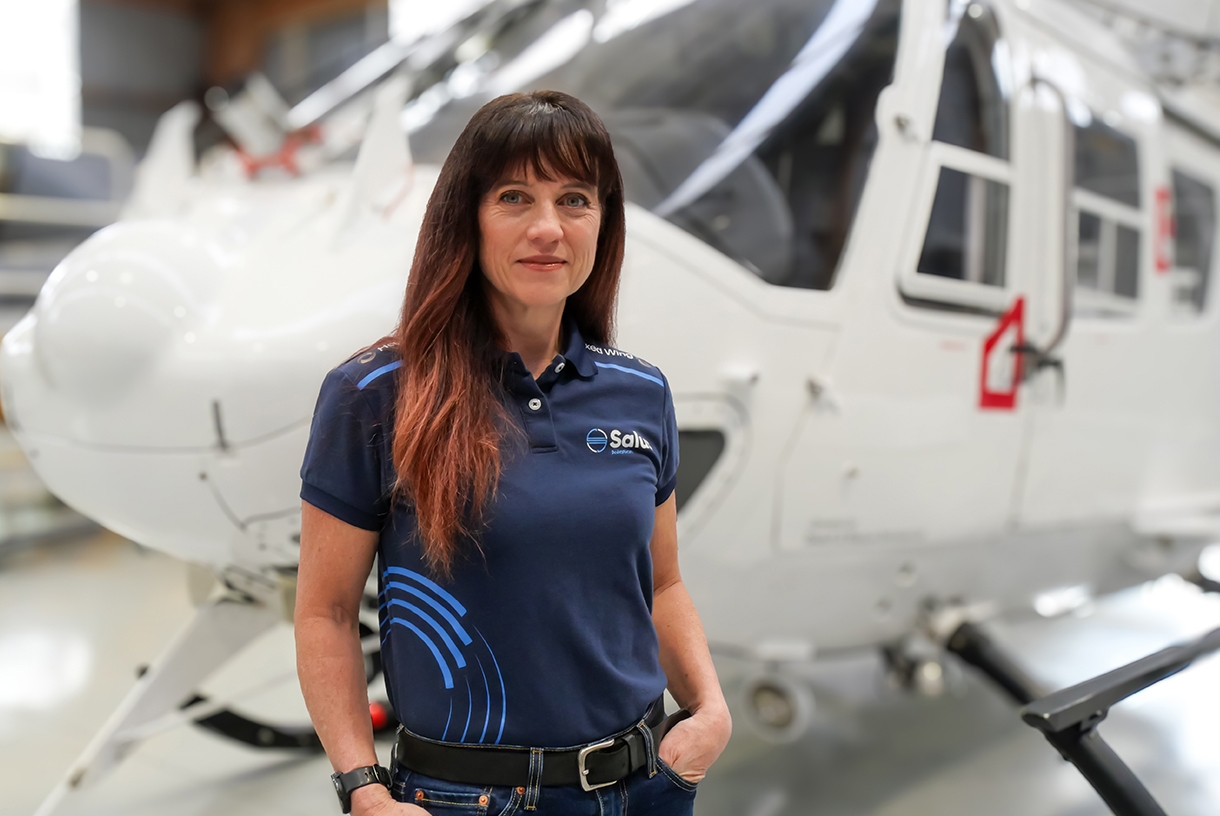
Salus Aviation Strengthens Executive Leadership with Key Supply Chain Appointment
Welcoming Natasha Dean as Head of MRO Sales
Welcoming Our New Queenstown Base Manager – Pete Hatley
Aircraft Parts Search and Request for Quote now Live
Chris Hutchings appointed as Production Supervisor Turbines

Salus Aviation Appoints Shane Brook as Regional Account Manager – North Island, NZ
Partnership with MD Helicopters to establish new service centre in Nevada, USA
Strategic agreement formed with StandardAero to enhance helicopter repair services
Salus Aviation appoints VP Sales and Business Development
Salus Aviation Signs Purchase Agreement

RotorTech 2024
Celebrate with us!